Raw Rabbit: Clean, Lean, and Misunderstood
1/1/2026
Raw Rabbit: Clean, Lean, and Misunderstood
Rabbit is Not the Death Sentence the Internet Warned You About
🐇 Whether your dog needs a novel protein, a leaner option, or some variety in their bowl, rabbit has a lot to offer — and it fits beautifully into a balanced raw rotation. Let’s bust some persistent myths and highlight why this underrated protein deserves a place in your dog’s bowl.
Sure, feeding whole prey might seem unconventional, but feeding ultra-processed pellets every day for life is long overdue for a rethink.
🥩 Why Rabbit Is Raw Gold
Rabbit is one of the cleanest, most digestible proteins available. It’s a fantastic option for dogs with sensitive stomachs or allergies, and a great choice if you’re rotating proteins to build a balanced raw diet over time.
It’s also naturally rich in:
🧬 B vitamins (especially B12)
💪 Lean, highly digestible protein
🌿 Selenium and phosphorus
❤️ Taurine and iron from the organs
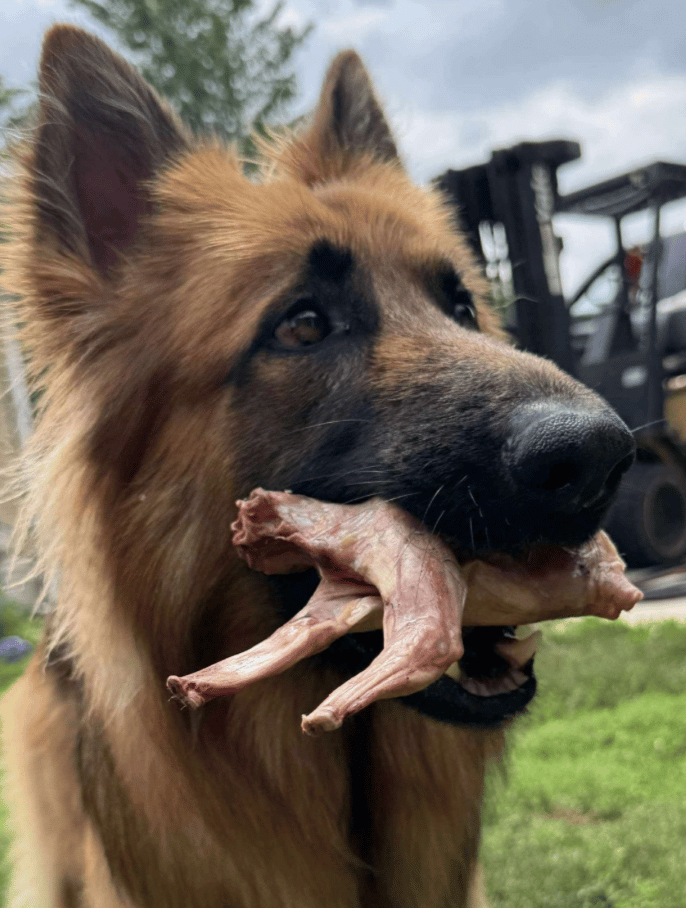
The bone, organ, and meat ratio in prey-style rabbit mimics the makeup of a real prey animal — exactly what your dog’s body was built to process.
Raw Rabbit Myths: Busted...
🚫 Myth 1: “Rabbit Isn’t Safe — It’s Too Lean and Will Starve My Dog”
You may have heard of “rabbit starvation” — a real condition reported by Arctic explorers who survived on nothing but extremely lean wild rabbit for extended periods. Without access to fat or other nutrient sources, they developed fatigue, diarrhea, and even death in extreme cases.
But your dog isn’t trapped in the wilderness living off rabbits alone, and neither are you. When fed as part of a raw rotation, with nutrient-dense organs or a small boost of healthy fat, rabbit becomes a safe, beneficial source of lean protein.
And...Let’s be honest! ‘Too lean’ is rarely a problem most modern dogs are facing.
🧠 Did you know?
Rabbit has up to 20:1 protein-to-fat ratio, compared to beef’s 4:1— great for dogs who need lean fuel, but best when balanced with fattier cuts.
🔬 Scientific reference:
Studies such as Bosch et al., 2009 confirm that dogs require dietary fat for energy and nutrient absorption. Very lean meats like rabbit should be fed as part of a varied raw diet for optimal balance.
🚫 Myth 2: “The Bones Are Dangerous”
Only cooked bones and weight-bearing bones from large animals like cows are truly dangerous. Raw rabbit bones are soft, pliable, and easily digestible. They’re also packed with natural calcium and phosphorus — nutrients dogs need for strong bones, teeth, and cellular function.
They're excellent for dental health and mental enrichment — especially for smaller dogs, seniors, or those who need a gentler chew.
As always, feed bones appropriate to your dog’s size and chew style — and supervise while they gnaw.
🧠 Did you know?
Cooked bones splinter. Raw bones stay flexible and are safely broken down by a dog’s digestive system.
🔬 Scientific reference:
Research by Freeman et al., 2013 found that feeding appropriately sized raw bonessupports oral hygiene and poses little risk when supervised.
(Always avoid cooked bones and weight-bearing bones from large animals.)
🚫 Myth 3: “Rabbit Carries Dangerous Diseases Like Tularemia”
Wild rabbits can carry tularemia (aka “rabbit fever”), a rare bacterial disease transmissible to humans and animals. But this risk applies mostly to wild-caught, unprocessed rabbits— not farm-raised rabbit sold for pet consumption.
Our rabbit is farm-raised and processed under strict hygiene standards, then frozen prior to delivery — significantly reducing any pathogen risk.
🧠 Did you know?
According to the CDC, tularemia averages around 200 human cases per year in the U.S., mostly from tick bites or direct wild animal exposure — not food.
Freezing meat at −20°C for 48 hours or more also reduces pathogen load significantly.
🔬 Scientific reference:
📖 CDC Tularemia Factsheet: Tularemia is not considered a foodborne illness in commercially processed rabbit.
📖 Public Health Ontario: Freezing kills or weakens many zoonotic bacteria and parasites in raw meat.
🚫 Myth 4: “Rabbit Is Not a Balanced Meal”
This one’s rooted in truth. Whole rabbit, including bones and organs, is far more balanced than people think. The bones provide natural calcium and phosphorus; the organs offer vitamin A, B vitamins, and essential fatty acids.
Still, like all proteins, rabbit works best in rotation with others, especially fattier meats. Rabbit is low in Omega-3, vitamin D and some other nutrients. Include it in your rotation with red meats, small oily fish and eggs.
🧠 Did you know?
No single protein is complete on its own. Nutritional balance comes from variety over time, not from every single meal.
Even wolves don’t hit repeat on the same prey every single day — your dog deserves a little menu rotation, too.
🚫 Myth 5: “Whole‑Prey Feeding Will Make My Dog Bloodthirsty”
This one never seems to go away — but it’s pure fiction. Feeding whole-prey-style meals (yes, even with bones and organs) does not make dogs aggressive or “turn on their instincts.” What it does do is satisfy natural chewing behaviours, offer enrichment, and often calm dogs by providing an engaging, species-appropriate meal.
We checked: no dog has ever gone feral from eating rabbit — but several have stopped itching and chewing their feet.
🧠 Did you know?
Dogs raised on raw diets often show fewer signs of resource guarding, anxiety, and hyperactivity around food compared to kibble-fed dogs.
🔬 Scientific reference:
While research is limited, studies like Sandri et al., 2017 observed that raw-fed dogs had improved stool quality, digestion, and behaviour vs kibble-fed dogs.
🍽 Feeding Tips
🛞 Rotate it. Rabbit is perfect in a raw rotation alongside red meats, fattier proteins, or your base blends like House or Hypoallergenic.
🟡 Add healthy fat. Whole rabbit includes organs and connective tissue, but you can always add a bit of duck fat, sardine, egg, or tripe to boost calories and richness.
🔻 Start small. If your dog hasn’t had rabbit before, introduce it gradually just like any new protein.
🦷 Watch their teeth. Chewing through soft rabbit bone helps reduce plaque and tartar. It’s especially great for smaller breeds or seniors.
🦴 And always feed raw bones under supervision!
🐶 Final Thoughts: A Lean Protein With Real Benefits
If you’ve been hesitant because of something you read online, rest assured: rabbit isn’t too lean, too risky, or too wild — it’s simply an underrated nutritional powerhouse.
Feeding whole-prey rabbit provides more than just clean, digestible protein. The natural bones help support dental health by reducing tartar and plaque. The organs supply essential vitamins and minerals crucial for your dog’s overall wellness. And the natural chewing and tearing motions promote mental engagement, reduce boredom, and encourage calm behaviour.
Rabbit is an excellent addition to any raw rotation, bringing variety, balance, and real nourishment that your dog will thrive on.
Your dog doesn’t need gimmicks or fads. They just need good food that works — and rabbit fits the bill perfectly.
👉 Heard mixed things about feeding rabbit? You’re not alone — there are plenty of rabbit feeding myths floating around. That’s why we broke it all down in this blog. If you made it this far, congrats: you now know why prey-style rabbit can be a fantastic part of your dog’s raw diet.
Ready to give it a try? Our prey-style rabbit comes in manageable pieces for easy feeding — bones, organs, and all.
📲 Ready when you are! Reach out anytime to grab a bag.